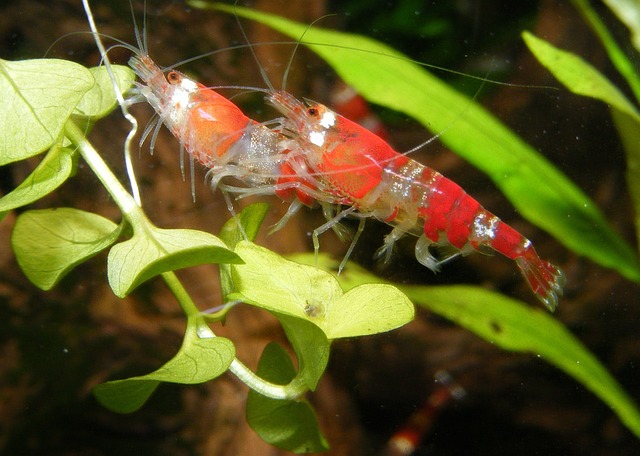
Preparing a Neocaridina Tank Before a Short Trip
A stable routine and a clear caretaker note are safer than trying to feed heavily before leaving.
Read the guide The Neocaridina Journal
About the journal
Freshwater shrimp · Field notes
Practical guides for Neocaridina keepers. Learn the water, build a steady home, and give a small colony room to thrive.
The journal
400 published guides
Showing 205–216 of 400 guides
A stable routine and a clear caretaker note are safer than trying to feed heavily before leaving.
Read the guideA meal can be a useful observation point, but it is not a complete health test.
Read the guide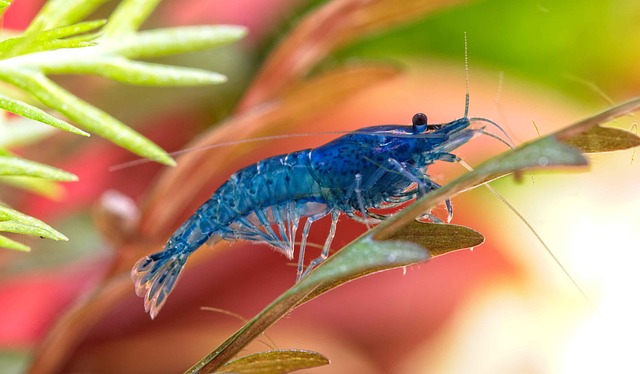
Shrimp use their small legs to pick across surfaces, including the substrate, in search of edible material.
Read the guideFilter surfaces can collect fine growth that shrimp pick at, but the filter still needs careful maintenance.
Read the guideLook for mature, accessible surfaces and normal grazing rather than trying to measure biofilm by appearance alone.
Read the guide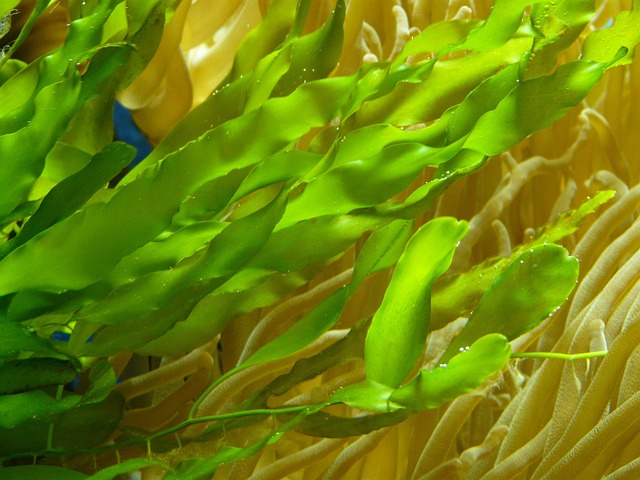
A quiet, dim observation can reveal activity that is easy to miss during the day.
Read the guide
A shed exoskeleton can look like a pale shrimp at first glance, so inspect it before disturbing the tank.
Read the guide
A shed shell is not automatically waste; decide based on its condition and the aquarium’s needs.
Read the guidePicking at a molt can be ordinary scavenging, but it does not replace a complete diet or good water care.
Read the guide
A cluster of molts can follow shared environmental conditions, but timing alone does not identify a cause.
Read the guideA newly molted shrimp may keep a low profile while its new shell settles.
Read the guideA small record can help separate normal molts from a pattern that deserves investigation.
Read the guide