
Inspect more than the front glass
Biofilm and microorganisms may be present on plants, wood, filter sponges, and hardscape even when the aquarium looks clean. A polished front pane is only one small part of the tank.
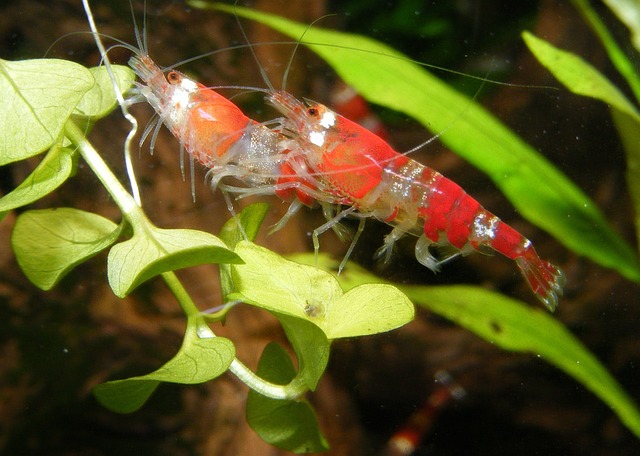
Look for shrimp moving across surfaces and picking with their front legs. Their presence is a clue that they are foraging, but it does not reveal the nutritional content of that growth.
Balance cleanliness and habitat
Removing all visible growth is not necessary for a shrimp display. Clean the viewing area and remove waste while preserving stable surfaces and plant cover.
Avoid leaving decaying food or debris in place just to create biofilm. Water quality and safe maintenance still matter more than making the aquarium look aged.
Use supplemental food thoughtfully
Offer a suitable complete shrimp food in a small portion and see whether it is consumed. Adjust based on the colony and water quality rather than assuming the tank has no natural grazing.
A mature aquarium can provide useful surfaces, but its contribution varies. Keep records of feeding and maintenance if you are trying to understand the colony’s routine.
- Aquarium Co-Op · Care Guide for Cherry Shrimp
- Aquarium Co-Op · 5 Best Foods for Freshwater Aquarium Shrimp
Use these as general hobby references. Test your aquarium and confirm product guidance before making changes.