
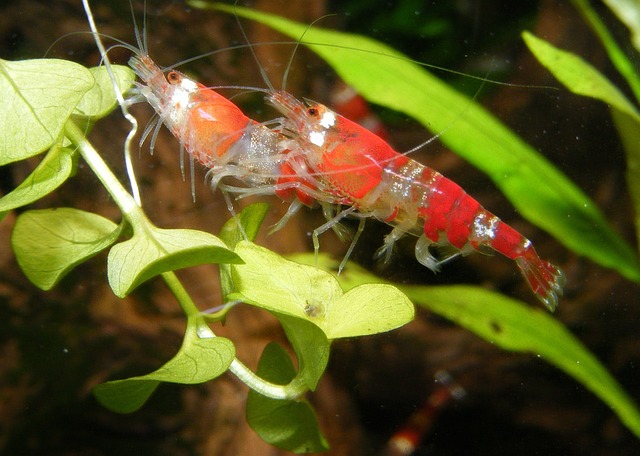
A vulnerable moment
After leaving its old shell, a shrimp can look pale or less active. Cover from plants and hardscape gives it a place to remain undisturbed.
Do not chase it with a net or force it into the open for inspection. A quiet aquarium and careful observation from a distance reduce added disturbance.
Compare with the rest of the colony
One resting shrimp is not the same as a tank-wide decline. Check whether other animals continue grazing and whether equipment is operating normally.
If the shrimp remains unable to right itself or other animals show similar distress, test the water and review recent changes rather than assuming the molt alone explains it.
Avoid unnecessary corrections
Keep feeding modest and do not change several water parameters at once. A sudden attempt to alter hardness can create more stress than the original observation.
Record the time and appearance, then recheck later without repeatedly disturbing the aquarium. If the pattern continues, seek informed help with the tank readings.
Use these as general hobby references. Test your aquarium and confirm product guidance before making changes.