
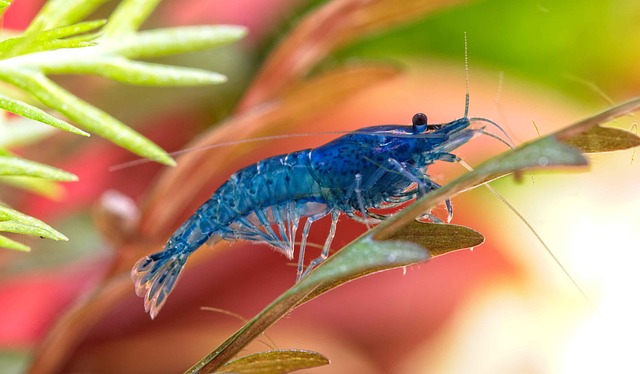
What grazing can look like
Neocaridina repeatedly bring tiny particles and surface growth toward their mouthparts. From a distance, this can look like pecking, sorting, or light digging.
Watch the shrimp’s front legs and mouth area rather than expecting a large bite. Grazing may happen on gravel, leaves, wood, filter surfaces, and plant leaves.
Separate normal foraging from disturbance
A shrimp that picks methodically and then moves on may be foraging. Repeated frantic swimming, loss of balance, or several animals leaving the substrate calls for a closer look.
Do not infer poor nutrition from substrate grazing alone. Check whether the aquarium offers mature surfaces and observe how the colony behaves at other times.
Keep the substrate accessible
Avoid deep cleaning every surface at once when shrimp are actively using it. Remove obvious debris carefully and preserve mature areas that support grazing.
If you change substrate or rearrange hardscape, make the change deliberately and monitor water quality. The aquarium’s history and shrimp response help interpret what you see.
Use these as general hobby references. Test your aquarium and confirm product guidance before making changes.