
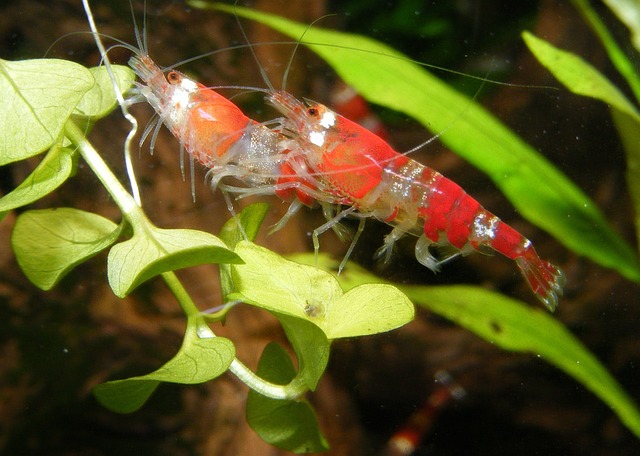
Observe without turning it into a score
Some shrimp may find food quickly while others remain on plants or behind hardscape. A crowded feeding dish is not required for a healthy colony.
Note broad changes such as the group ignoring a familiar food or becoming unusually inactive, but avoid making a diagnosis from one feeding. Light, time of day, and recent disturbance can affect what you see.
Compare with the tank’s usual pattern
The most useful baseline is your own aquarium. Record the food, approximate amount, and how much remains, then compare future meals under similar conditions.
If the response changes across several feedings, review water readings and recent maintenance. A new product, filter disturbance, or temperature shift may matter more than appetite alone.
Use the observation to guide a check
When shrimp appear less active, test the water and look for equipment problems before changing their diet. Check ammonia and nitrite if the tank is new or has had a recent disruption.
Treat a feeding response as a prompt to investigate, not a verdict. Keep food modest and make one deliberate adjustment at a time.
- Aquarium Co-Op · Care Guide for Cherry Shrimp
- Aquarium Co-Op · 5 Best Foods for Freshwater Aquarium Shrimp
Use these as general hobby references. Test your aquarium and confirm product guidance before making changes.