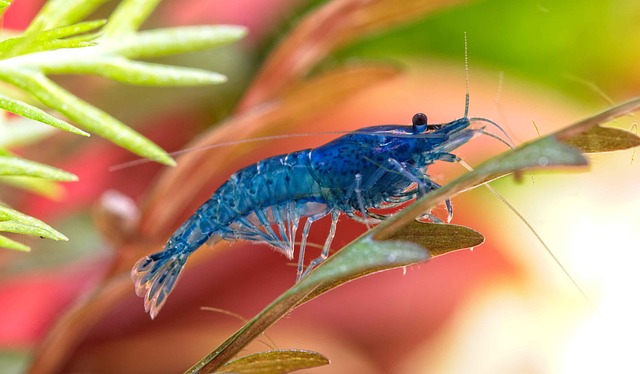
How to Remove Uneaten Food from a Shrimp Tank
A feeding dish and a small siphon make it easier to spot leftovers before they decay.
Read the guide The Neocaridina Journal
About the journal
Freshwater shrimp · Field notes
Practical guides for Neocaridina keepers. Learn the water, build a steady home, and give a small colony room to thrive.
The journal
25 published guides
Showing 1–12 of 25 guides
A feeding dish and a small siphon make it easier to spot leftovers before they decay.
Read the guide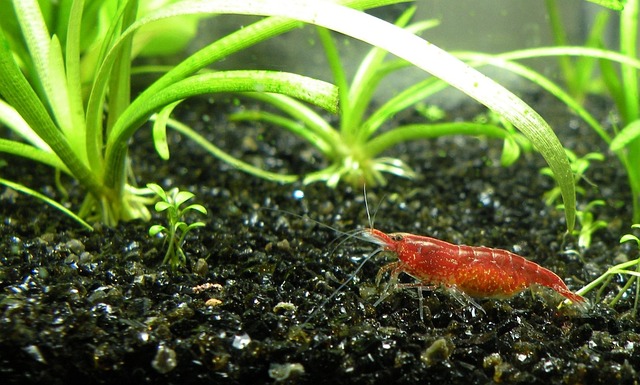
A dish can simplify observation and cleanup, but it is an optional tool.
Read the guide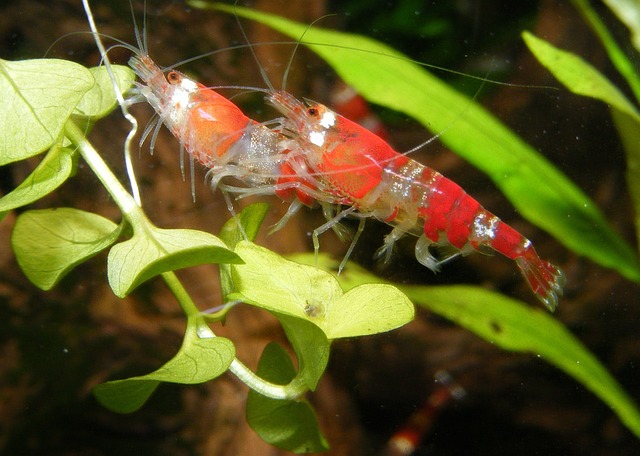
Frequency depends on colony size, natural grazing, and how quickly supplemental food is consumed.
Read the guide
Learn when a slow-feeding food is useful and when leftovers should be removed.
Read the guideFast fish may take sinking food before shrimp reach it, even when adult shrimp share the tank.
Read the guideA sinking wafer can be shared by shrimp and other tank residents, but portion size matters.
Read the guide
Read the ingredient list, feeding directions, and storage notes before adding a new food to your routine.
Read the guide
Simple storage habits can keep dry foods cleaner and make it easier to notice when a product changes.
Read the guide
A gradual, observable change makes it easier to judge whether a new shrimp food suits your tank.
Read the guideAfter a transfer, let shrimp settle and use the tank’s grazing surfaces to guide the first feeding.
Read the guideA meal can be a useful observation point, but it is not a complete health test.
Read the guideA growing colony needs a thoughtful balance of grazing surfaces, suitable food, and water-quality checks.
Read the guide