
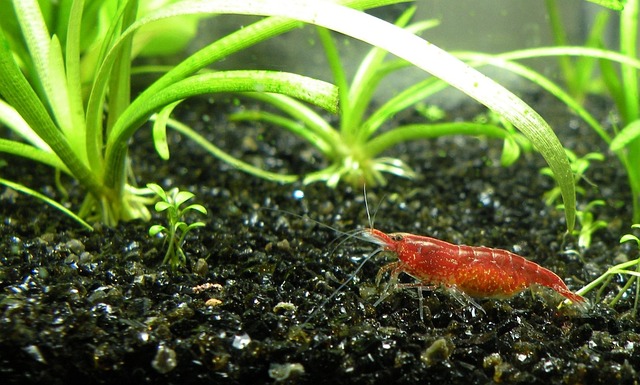
Look at the whole colony
As the colony grows, more shrimp may share the same surfaces and supplemental food. Observe whether animals have grazing places and whether food disappears at the usual pace.
Do not estimate population only from a feeding crowd. Shrimp hidden among plants or hardscape make visual counts incomplete.
Add food in measured steps
If the colony consistently consumes the usual portion quickly, adjust cautiously and observe the next feedings. Keep the product directions and water quality in view.
Remove persistent leftovers and avoid adding more simply because every shrimp is not visible at once. A tank’s natural grazing also contributes.
Expand habitat when useful
Mature plants, safe hardscape, and filter surfaces add places for shrimp to forage and shelter. Add structure gradually so the colony can adapt.
Test water after changes and maintain the filter. More animals require planning for future growth, not a sudden oversized meal.
- Aquarium Co-Op · Care Guide for Cherry Shrimp
- Aquarium Co-Op · 5 Best Foods for Freshwater Aquarium Shrimp
Use these as general hobby references. Test your aquarium and confirm product guidance before making changes.