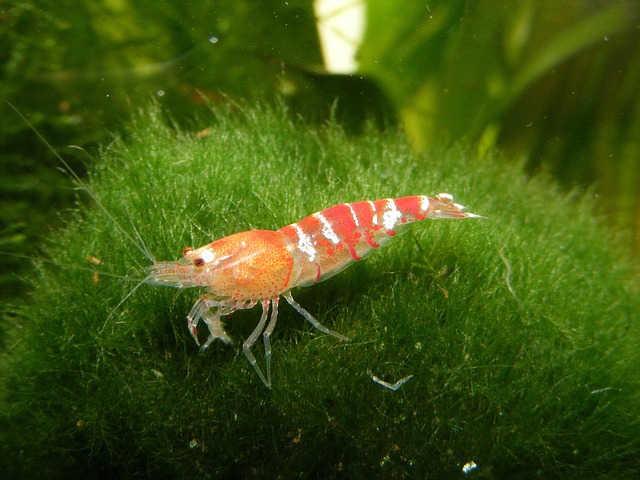
How to Document Egg Loss in a Shrimp Colony
A careful timeline helps distinguish one dropped egg from a repeated colony pattern.
Read the guide The Neocaridina Journal
About the journal
Freshwater shrimp · Field notes
Practical guides for Neocaridina keepers. Learn the water, build a steady home, and give a small colony room to thrive.
The journal
400 published guides
Showing 265–276 of 400 guides
A careful timeline helps distinguish one dropped egg from a repeated colony pattern.
Read the guideConsistent filenames can connect pictures with tank, date, and observation without overstating identity.
Read the guide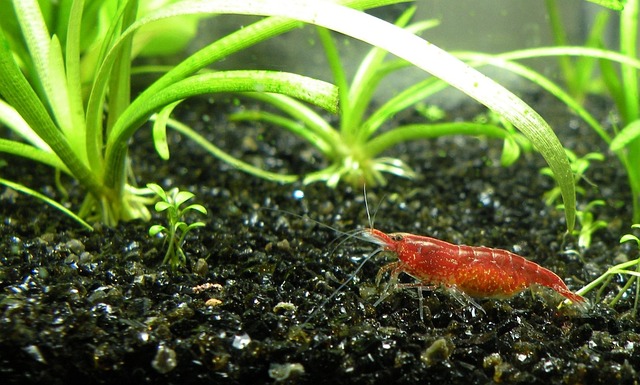
Lighting can affect visual comparison, so evaluate shrimp under repeatable conditions.
Read the guideA shrimp may look bright because of hue, coverage, opacity, lighting, or a combination of traits.
Read the guideA repeatable description helps compare patterns even when hobby labels differ.
Read the guideA breeding group needs enough animals for a practical project and enough tank capacity for its offspring.
Read the guideA transparent record of a mix-up helps you decide whether to continue the line or start a separate group.
Read the guideSelective breeding should account for every animal, including those that do not match the target appearance.
Read the guideAppearance is influenced by inherited traits and viewing conditions, so avoid conclusions from one shrimp.
Read the guideClear limits and observation methods make hobby breeding reports more useful to other keepers.
Read the guideA consistent short check can track the colony without disrupting courtship, egg carrying, or grazing.
Read the guide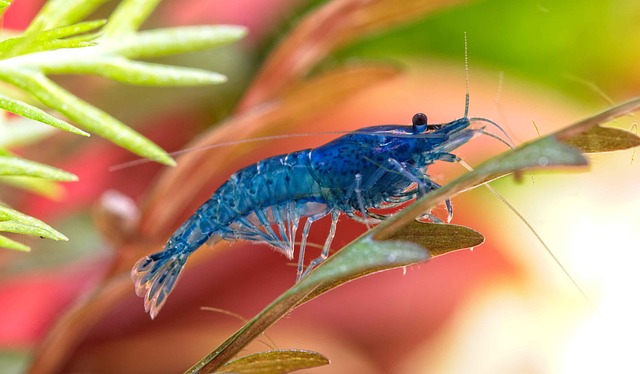
Population growth should be considered alongside water stability, grazing area, and maintenance workload.
Read the guide