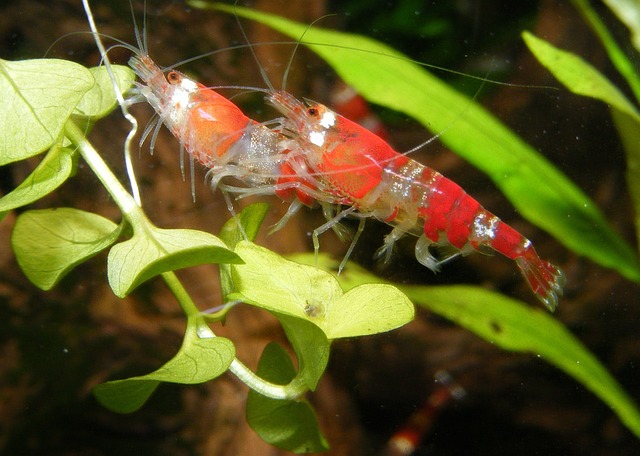
How to Estimate a Shrimp Colony Without a False Count
Plants and hardscape hide shrimp, so a careful range is more honest than a precise visual census.
Read the guide The Neocaridina Journal
About the journal
Freshwater shrimp · Field notes
Practical guides for Neocaridina keepers. Learn the water, build a steady home, and give a small colony room to thrive.
The journal
400 published guides
Showing 277–288 of 400 guides
Plants and hardscape hide shrimp, so a careful range is more honest than a precise visual census.
Read the guide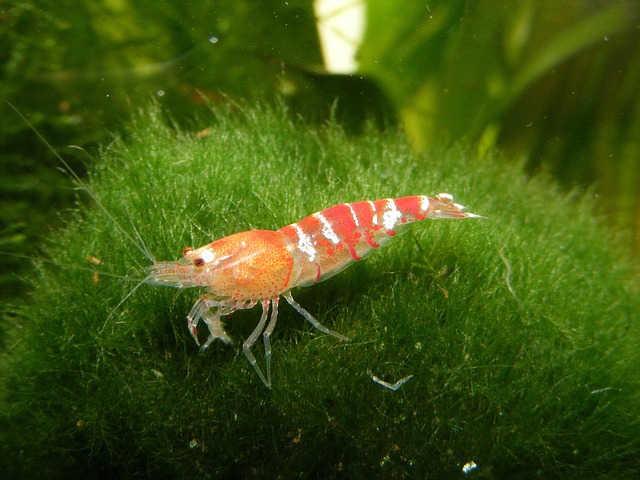
Broad size groups can help you plan without pretending to know every shrimp’s age.
Read the guide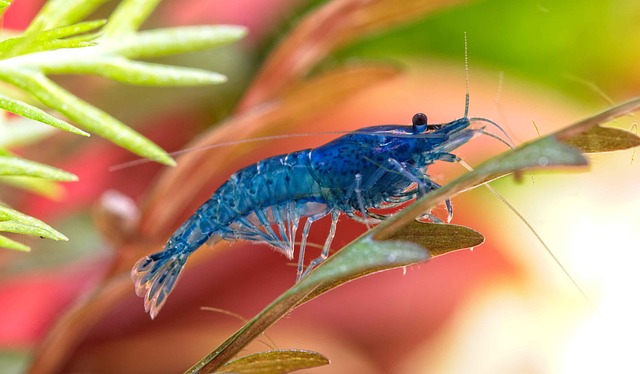
A breeding colony can grow beyond its planned size, so decide on safe destinations before that happens.
Read the guideClear labels help prevent accidental transfers and keep records tied to the correct colony.
Read the guideA few offspring can inspire a hypothesis, but a small group does not establish a universal genetic rule.
Read the guideBreeding observations are easier to interpret when the aquarium’s water history is recorded.
Read the guideA repeatable observation window helps distinguish daily variation from a real change.
Read the guide
A colony may be easier to observe at different times, but light conditions also change how visible it is.
Read the guide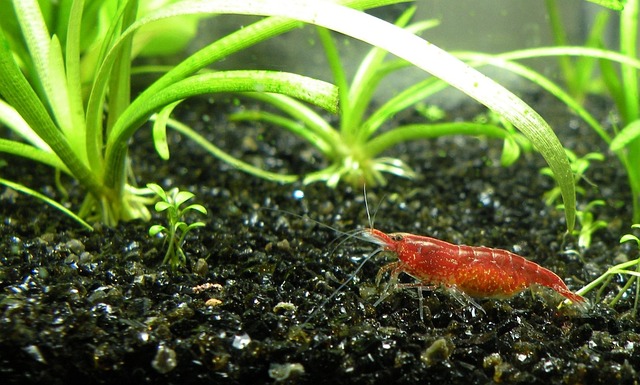
Consistent images reduce misleading color comparisons when tracking or sharing a shrimp line.
Read the guideA short trait checklist can make selection more consistent across batches.
Read the guideA seller’s color name may not reveal a shrimp’s full family history.
Read the guideA single batch cannot show how consistently a trait will appear across descendants.
Read the guide