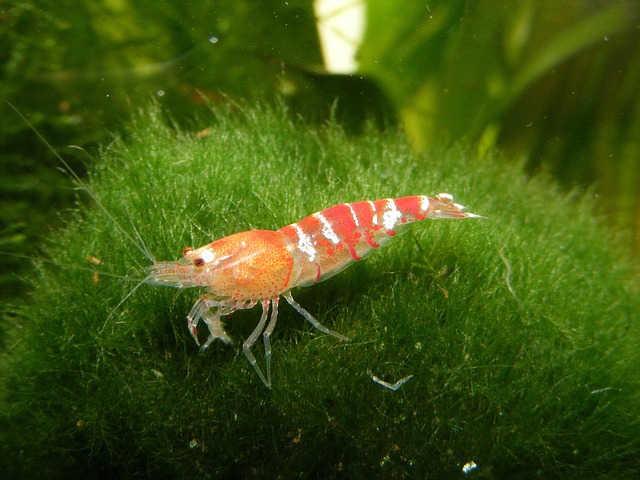
Why Neocaridina Breeding Does Not Follow a Guaranteed Schedule
Age, environment, and individual variation influence breeding, so a fixed calendar promise is misleading.
Read the guide The Neocaridina Journal
About the journal
Freshwater shrimp · Field notes
Practical guides for Neocaridina keepers. Learn the water, build a steady home, and give a small colony room to thrive.
The journal
56 published guides
Showing 25–36 of 56 guides
Age, environment, and individual variation influence breeding, so a fixed calendar promise is misleading.
Read the guideA calm visual record can track a berried female without repeated catching or handling.
Read the guideFine plant growth and protected surfaces give small shrimp places to forage and avoid disturbance.
Read the guide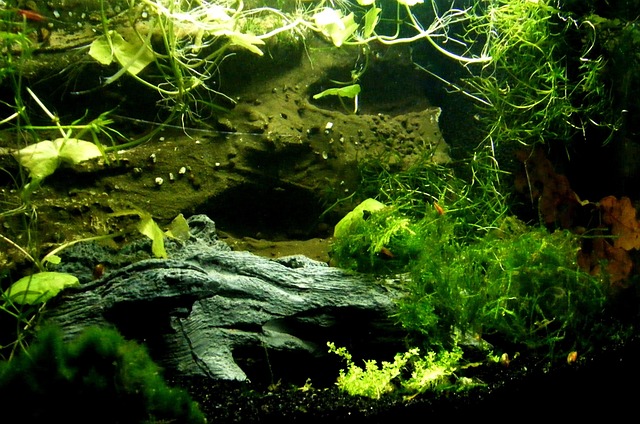
Tiny shrimp hide among plants and hardscape, so a visible count is only a partial observation.
Read the guideConsistent photos and tank notes can show broad growth trends without moving delicate young shrimp.
Read the guideNewly hatched shrimp are tiny and easy to miss, so use calm, close observation rather than disturbing the tank.
Read the guideAdult shrimp may coexist with tank mates while young shrimp face different risks.
Read the guideA short baseline helps you understand where a new colony came from and what changes over time.
Read the guide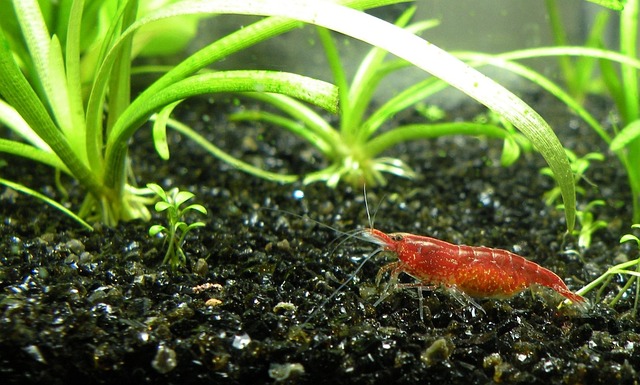
When several age groups share one aquarium, track what you can see and label uncertainty.
Read the guideSome visual differences are easier to notice in mature shrimp than in small juveniles.
Read the guidePlants and stable structure let an egg-carrying shrimp rest without repeated disturbance.
Read the guideA female may move her swimmerets while carrying eggs, but brief movement should be interpreted in context.
Read the guide