
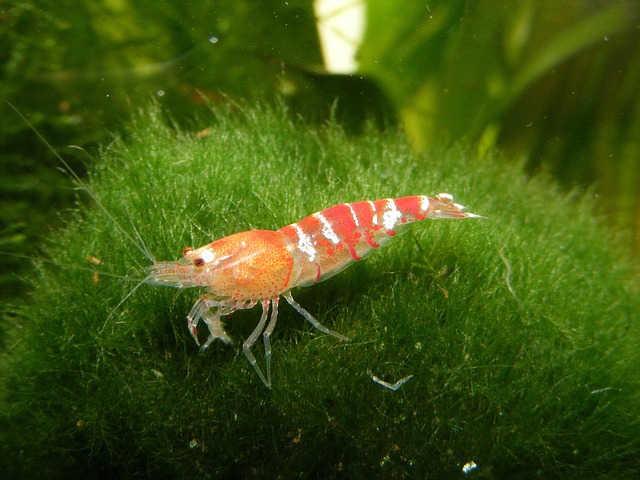
Use fine, stable structure
Moss, dense plants, and aquarium-safe hardscape create small spaces that young shrimp can enter. Choose materials that are clean and do not alter water unpredictably.
A thick mat can trap debris, so keep it accessible for inspection and maintenance. Habitat should shelter young without making the tank impossible to care for.
Protect the filtration path
Use a compatible sponge or guard over the filter intake so tiny shrimp cannot be pulled in. Check that the added protection does not block the required flow.
Do not wait until juveniles appear to discover an exposed intake. Inspect the filter setup while the tank is still easy to adjust.
Limit avoidable predators
Fish and larger tank mates may eat shrimplets, even when adult shrimp appear to coexist with them. A breeding-focused aquarium is easier to manage without predators.
Cover improves opportunity but does not guarantee every young shrimp survives. Track what you observe and keep expectations realistic.
Use these as general hobby references. Test your aquarium and confirm product guidance before making changes.