
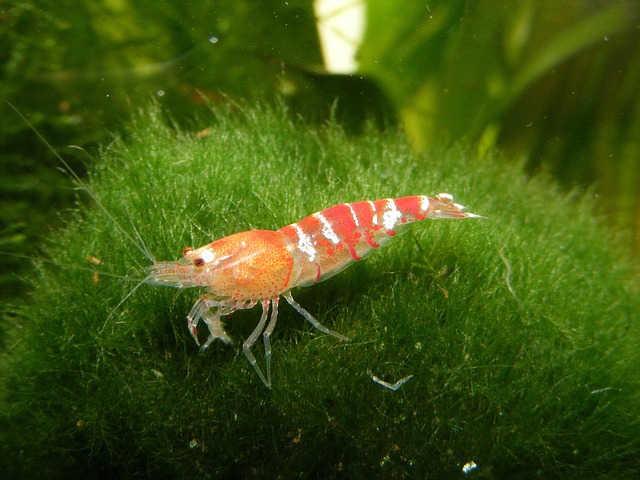
Many conditions interact
A colony’s maturity, water stability, food, temperature, and cover all affect what you observe. A calendar estimate from another aquarium may not fit yours.
Some adults may be difficult to sex while young or when coloration obscures body shape. Seeing no eggs in one inspection does not prove the group cannot breed.
Track signs over time
Record when a female carries eggs, when juveniles appear, and what conditions were present. Take calm observations rather than repeatedly catching shrimp for inspection.
Separate confirmed observations from estimates. A date you first noticed eggs is not necessarily the date they were laid.
Avoid changing several variables
If breeding is slower than expected, review water and setup before changing heat, diet, and chemistry together. Abrupt adjustments can stress the colony.
A healthy aquarium is the priority even when breeding is the goal. Seek experienced advice with your records if problems persist.
Use these as general hobby references. Test your aquarium and confirm product guidance before making changes.