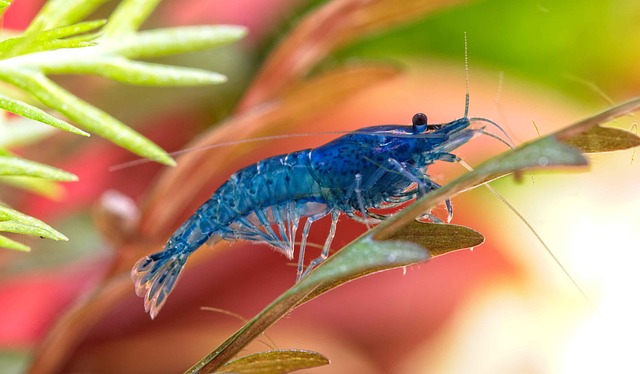
Why to Ask Which Tests a Shrimp Seller Uses
Water values are easier to compare when you know the test method, unit, and measurement date.
Read the guide The Neocaridina Journal
About the journal
Freshwater shrimp · Field notes
Practical guides for Neocaridina keepers. Learn the water, build a steady home, and give a small colony room to thrive.
The journal
400 published guides
Showing 373–384 of 400 guides
Water values are easier to compare when you know the test method, unit, and measurement date.
Read the guide
A simple record of seller, date, claimed variety, and shipment condition helps track later observations.
Read the guideA seller may know the source or breeding line for a group, but the answer can be limited or unavailable.
Read the guideClear photos and concise notes help a seller understand a shipping concern under the shop's policy.
Read the guideLocal and online sources differ in availability, shipping, and how much information they provide about the colony.
Read the guide
Marketplace listings can mix seller images, generic descriptions, and varying shipping policies.
Read the guideLive animals should not arrive as a surprise if the recipient has not prepared a suitable aquarium.
Read the guide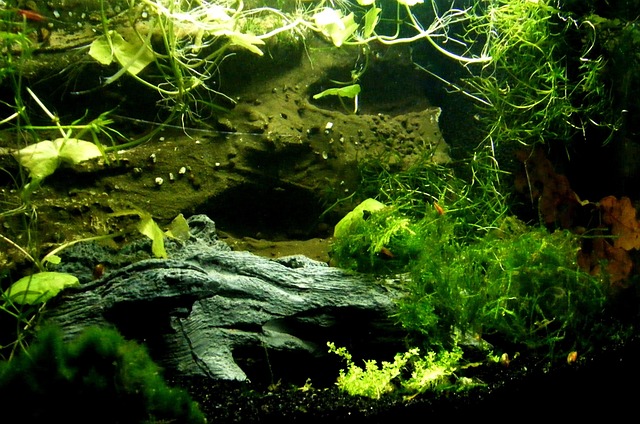
A plant inspection can catch damaged leaves, loose packing material, and hitchhikers before the plant enters the display aquarium.
Read the guidePlants may arrive stressed after shipping, and their condition can depend on packing, route, and weather.
Read the guideSome plant sellers may use treatments during cultivation, so ask what is known before introducing plants to invertebrates.
Read the guideShipping material can include foam, gel, paper, or ties that do not belong in a shrimp tank.
Read the guideA brief arrival record helps distinguish shipping observations from later changes in the aquarium.
Read the guide