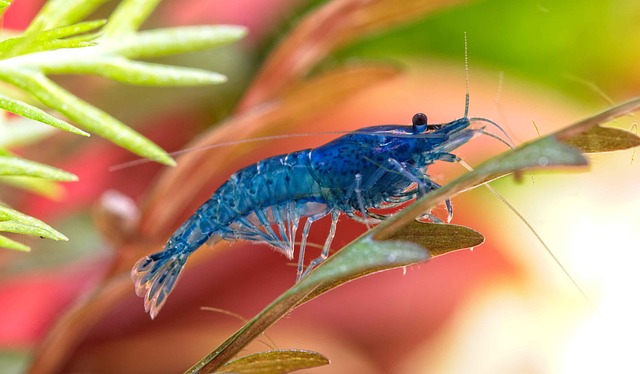
Chili Rasboras and Neocaridina: A Cautious Compatibility Guide
Very small schooling fish may be considered for planted shrimp aquariums, but young shrimp still need shelter and appropriate food access.
Read the guide The Neocaridina Journal
About the journal
Freshwater shrimp · Field notes
Practical guides for Neocaridina keepers. Learn the water, build a steady home, and give a small colony room to thrive.
The journal
400 published guides
Showing 349–360 of 400 guides
Very small schooling fish may be considered for planted shrimp aquariums, but young shrimp still need shelter and appropriate food access.
Read the guide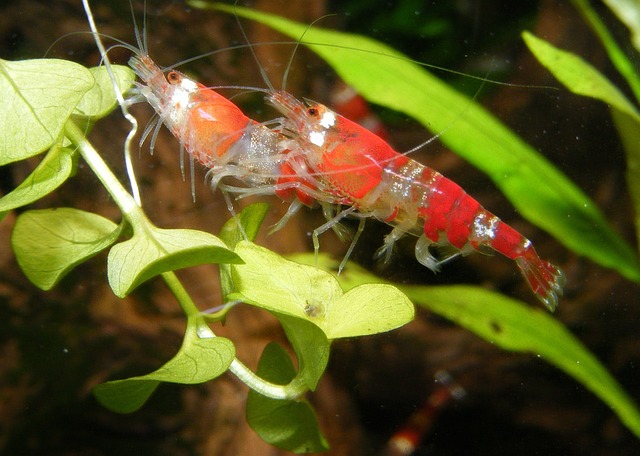
Guppies may investigate small animals and food, so a mixed tank can affect shrimplet survival and feeding routines.
Read the guide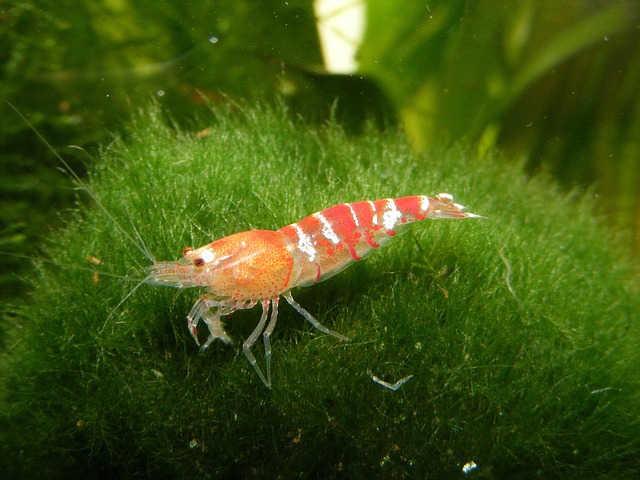
Endlers and Neocaridina may use the same aquarium, but their shared space and the safety of newborn shrimp need consideration.
Read the guideTetra species differ in size and behavior, so the common name alone cannot establish compatibility with Neocaridina.
Read the guide
A fish that explores plants and small prey can threaten shrimplets even if it does not attack adult shrimp.
Read the guide
A fish's feeding behavior and mouth size matter more than a peaceful label when small shrimp are present.
Read the guideSome aquarium invertebrates hunt small animals or compete for shelter, so identify tank mates before introducing them.
Read the guide
Freshwater crab species differ in size and behavior; many require care conditions that are not the same as a Neocaridina tank.
Read the guideCrayfish use their claws to explore and feed, so even smaller species can create risk for shrimp in a shared tank.
Read the guideEgg clusters can appear on aquarium surfaces, but appearance alone may not identify the snail or determine whether removal is needed.
Read the guideA compatible tank mate must share care needs and leave a reasonable chance for shrimp to feed, hide, and reproduce.
Read the guideShrimp photos vary with background, lighting, camera exposure, and animal age, so compare like with like.
Read the guide