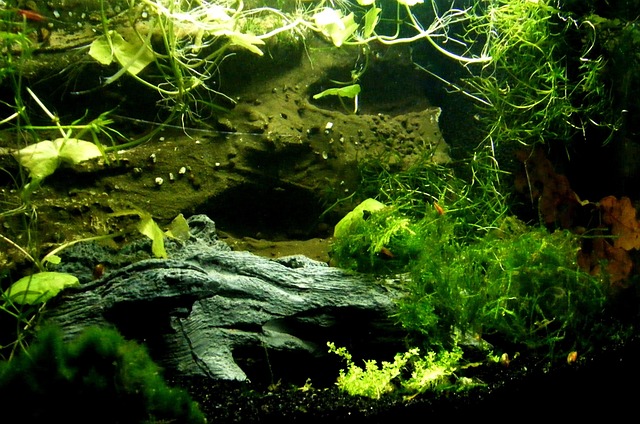
Checking a Substrate Cap After Aquascaping
A new layer of sand or gravel can shift during planting and maintenance, exposing material below it.
Read the guide The Neocaridina Journal
About the journal
Freshwater shrimp · Field notes
Practical guides for Neocaridina keepers. Learn the water, build a steady home, and give a small colony room to thrive.
The journal
400 published guides
Showing 337–348 of 400 guides
A new layer of sand or gravel can shift during planting and maintenance, exposing material below it.
Read the guide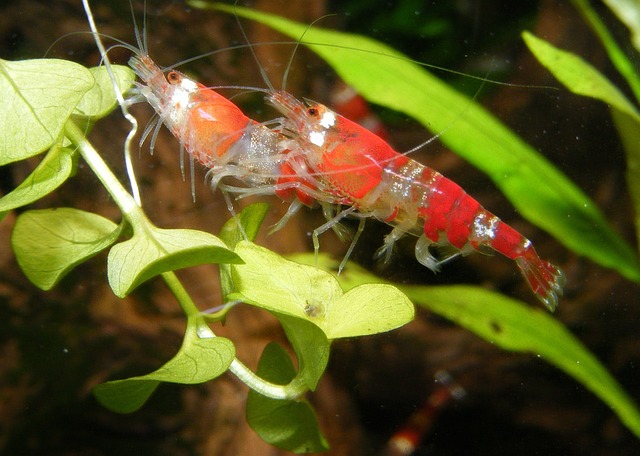
Open patches of substrate are easier to inspect and can be cleaned selectively during routine care.
Read the guideNarrow gaps behind rocks can collect waste and make it hard to inspect or clean the aquarium.
Read the guide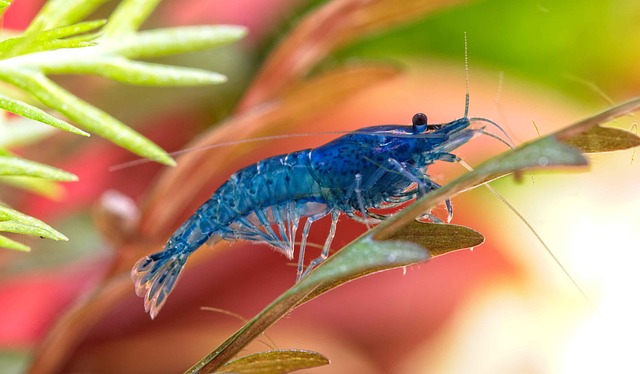
A hide can become difficult to maintain if it has sharp cracks or small enclosed pockets.
Read the guideA filter clean or plant trim can shift nearby stones and wood, so include a quick stability check in the cleanup.
Read the guide
Amano shrimp and Neocaridina have different adult sizes and breeding patterns, so decide what the mixed tank is meant to support.
Read the guideThe common name ghost shrimp can be applied to more than one animal in the trade, so identification matters before mixing species.
Read the guide
Bamboo shrimp have specialized feeding behavior, so a shared tank requires more planning than simply matching water conditions.
Read the guideVampire shrimp grow much larger than dwarf shrimp and have different shelter and feeding needs; compatibility requires a species-specific plan.
Read the guide
Sulawesi shrimp are kept under distinct water conditions in specialist aquariums, so a shared setup should not be assumed compatible.
Read the guide
A calm fish may still compete for space or eat very small shrimp, so plan for adult and juvenile Neocaridina separately.
Read the guideSmall bottom-dwelling fish may share the same feeding zone as shrimp, which changes how food and juvenile survival should be managed.
Read the guide