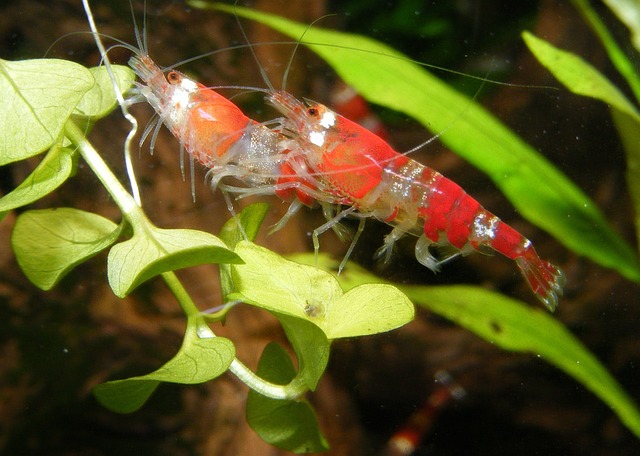
How to Photograph a Shrimp Colony for Your Care Notes
Consistent photos can help compare appearance and activity without turning pictures into a diagnosis.
Read the guide The Neocaridina Journal
About the journal
Freshwater shrimp · Field notes
Practical guides for Neocaridina keepers. Learn the water, build a steady home, and give a small colony room to thrive.
The journal
400 published guides
Showing 241–252 of 400 guides
Consistent photos can help compare appearance and activity without turning pictures into a diagnosis.
Read the guide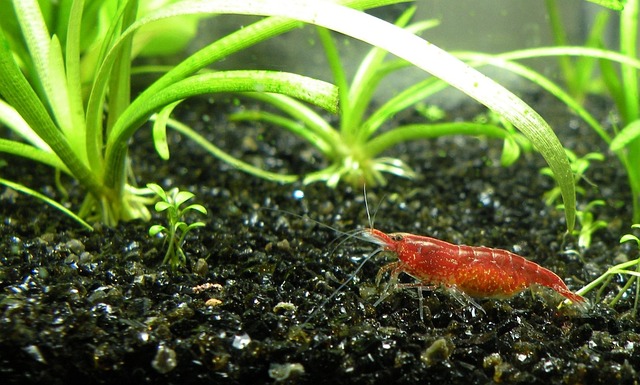
Camera settings and aquarium lights can shift how a shrimp’s color appears in a photograph.
Read the guideYoung shrimp may change in appearance as they grow, so compare age and lighting before judging a line.
Read the guideA dark or light background can affect visual contrast and make the same shrimp appear different.
Read the guide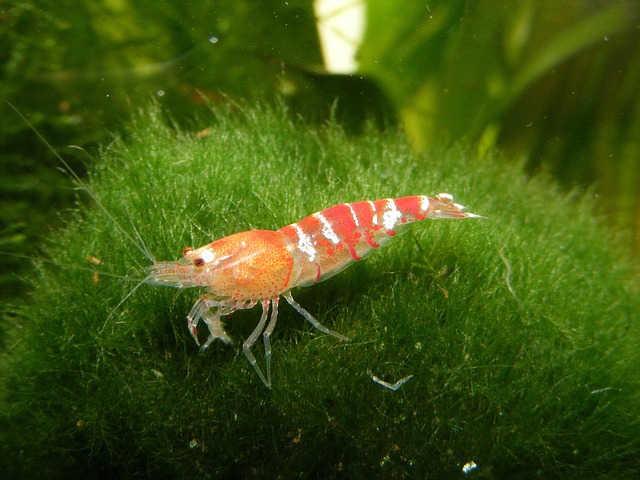
Simple parent records help you understand a line without claiming certainty about every offspring.
Read the guideA simple written goal can make selective breeding more consistent and less dependent on changing labels.
Read the guideSeparate systems and careful equipment routines reduce accidental mixing between color projects.
Read the guideA breeding plan should include humane, responsible homes for animals outside the selected color or pattern.
Read the guideStable naming makes it easier to compare groups and avoid overstating a shrimp’s grade.
Read the guideA breeding colony needs room for growth, stable filtration, and a plan for offspring.
Read the guideAge, environment, and individual variation influence breeding, so a fixed calendar promise is misleading.
Read the guideA calm visual record can track a berried female without repeated catching or handling.
Read the guide