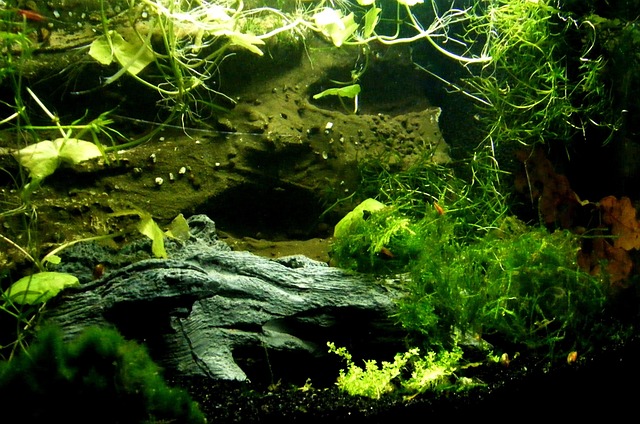
How to Attach Rhizome Plants Without Burying Them
Some aquarium plants are mounted to wood or stone instead of planted in substrate; correct placement helps keep the growth point visible.
Read the guide The Neocaridina Journal
About the journal
Freshwater shrimp · Field notes
Practical guides for Neocaridina keepers. Learn the water, build a steady home, and give a small colony room to thrive.
The journal
34 published guides
Showing 13–24 of 34 guides
Some aquarium plants are mounted to wood or stone instead of planted in substrate; correct placement helps keep the growth point visible.
Read the guide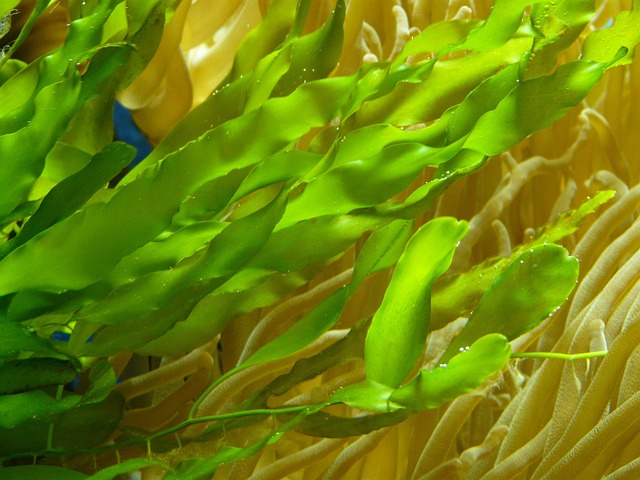
Moss can be arranged as loose clumps or secured against a mesh panel; each layout changes access, visibility, and cleaning.
Read the guideA mesh panel can hold moss in place while it grows, but the material and fastening should be suitable for aquarium use.
Read the guideOccasional trimming keeps moss accessible and reduces loose fragments that can collect around equipment or across the substrate.
Read the guide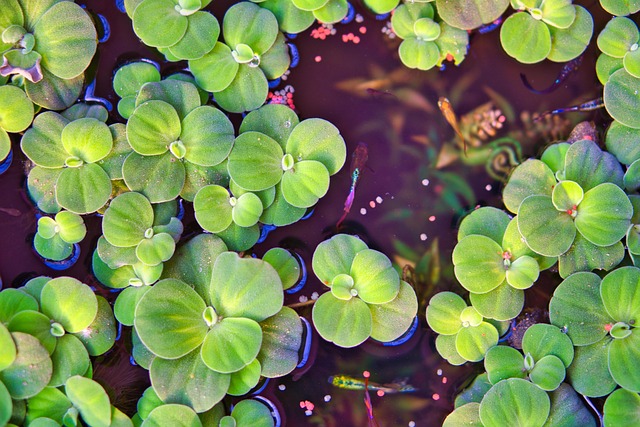
Floating plants can provide cover, while long roots may crowd equipment, surface access, or the view into a small aquarium.
Read the guideA floating plant layer can shade parts of an aquarium, but the layout should still leave accessible surface water and visible equipment.
Read the guideDamaged plant leaves may break down and collect debris; inspect them during normal maintenance instead of stripping healthy growth.
Read the guidePruning and water changes are both routine tasks, but combining too much maintenance can disturb a shrimp aquarium.
Read the guideFloating plants can shade lower areas, so consider the location of moss patches when planning where each plant should grow.
Read the guideNew plants may look different after moving into an aquarium with different light and water conditions.
Read the guideProducts marketed for algae control vary by ingredients and intended use, so their labels matter in an aquarium with invertebrates.
Read the guideCommon plant names can refer to different species and care needs; confirm the plant identity before planning its placement.
Read the guide