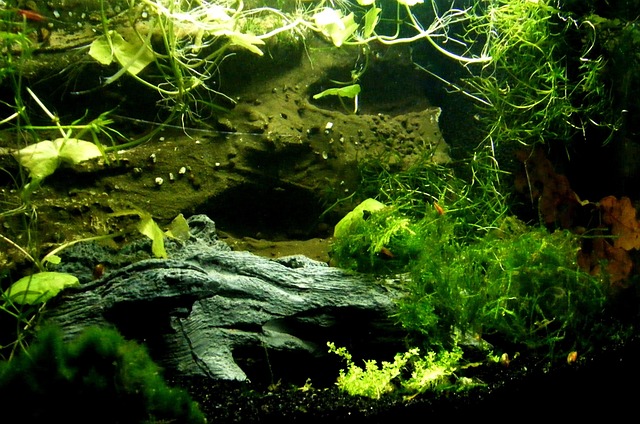
How to Quarantine Plants Before Adding Them to a Shrimp Tank
Reduce hitchhiker and pesticide risks by inspecting and preparing new plants carefully.
Read the guide The Neocaridina Journal
About the journal
Freshwater shrimp · Field notes
Practical guides for Neocaridina keepers. Learn the water, build a steady home, and give a small colony room to thrive.
The journal
34 published guides
Showing 1–12 of 34 guides
Reduce hitchhiker and pesticide risks by inspecting and preparing new plants carefully.
Read the guide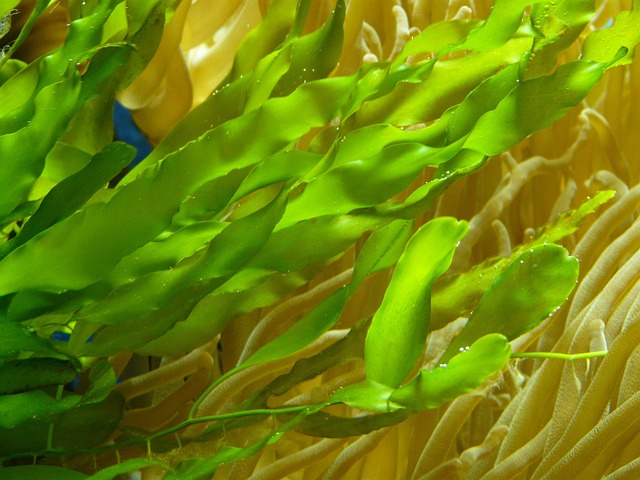
Java moss offers fine structure for grazing and cover when it is kept from taking over the tank.
Read the guide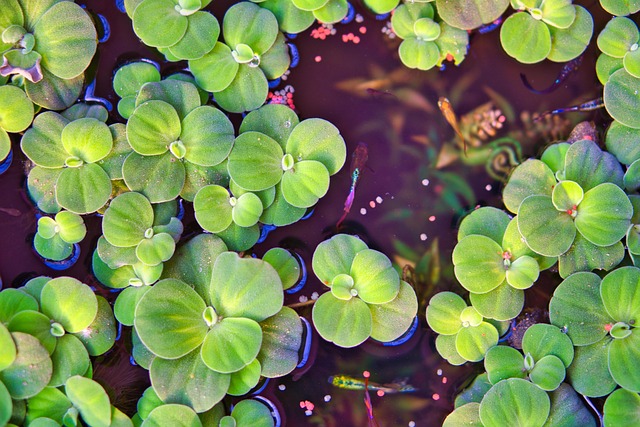
Floating plants provide shade and roots to explore, but can cover the whole surface if unchecked.
Read the guideAnubias is a slow-growing option that can add broad grazing leaves and shade.
Read the guideA hardy hardscape plant can add shade and stable leaf surfaces without demanding planted substrate.
Read the guideCrypts can provide shaded cover, though they may react to changes in growing conditions.
Read the guideTrim in small sections and keep debris from breaking down inside a crowded shrimp tank.
Read the guideDried leaves can add surfaces and cover, but their source and preparation matter.
Read the guideCheck ingredients and directions before dosing fertilizer in an invertebrate aquarium.
Read the guideChoose aquarium plants by their care needs, condition, and fit with the shrimp tank rather than by appearance alone.
Read the guidePotted and tissue-cultured plants arrive with different packaging and preparation needs; compare the plant and seller instructions before adding either.
Read the guideSome potted aquarium plants arrive in a fibrous growing medium that should be removed before the plant is placed in the aquascape.
Read the guide