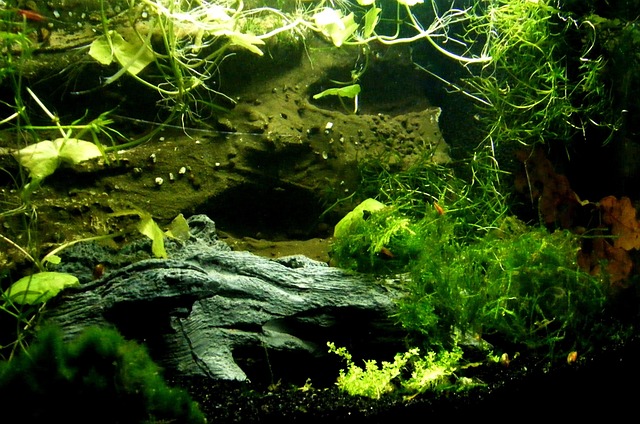
Helping New Aquarium Plants Settle in a Shrimp Tank
New plants may look different after moving into an aquarium with different light and water conditions.
Read the guide The Neocaridina Journal
About the journal
Freshwater shrimp · Field notes
Practical guides for Neocaridina keepers. Learn the water, build a steady home, and give a small colony room to thrive.
The journal
400 published guides
Showing 313–324 of 400 guides
New plants may look different after moving into an aquarium with different light and water conditions.
Read the guideProducts marketed for algae control vary by ingredients and intended use, so their labels matter in an aquarium with invertebrates.
Read the guideCommon plant names can refer to different species and care needs; confirm the plant identity before planning its placement.
Read the guidePlant placement should preserve filter access and avoid collecting loose leaves around the intake or outlet.
Read the guideAfter a trim, observe plant growth, loose fragments, and shrimp behavior before deciding that more maintenance is needed.
Read the guideA hole in a leaf is an observation, not a diagnosis; plant age, damage, and growing conditions can all affect appearance.
Read the guideSome plants lose older leaves after a move, while persistent softening may point to a broader care mismatch.
Read the guideA planted tank can have shelter without hiding every surface where shrimp feed and move.
Read the guideA short routine for trimming, debris removal, and equipment checks can keep plants manageable without overworking the aquarium.
Read the guide
Aquarium wood should be sold for aquarium use and fit the tank without sharp edges or unstable stacking.
Read the guidePurchased driftwood can carry loose debris and may change the aquarium's appearance after it is submerged.
Read the guide
Wood collected outdoors may have unknown species, contaminants, or treatments, so it is difficult to assess for a shrimp aquarium.
Read the guide