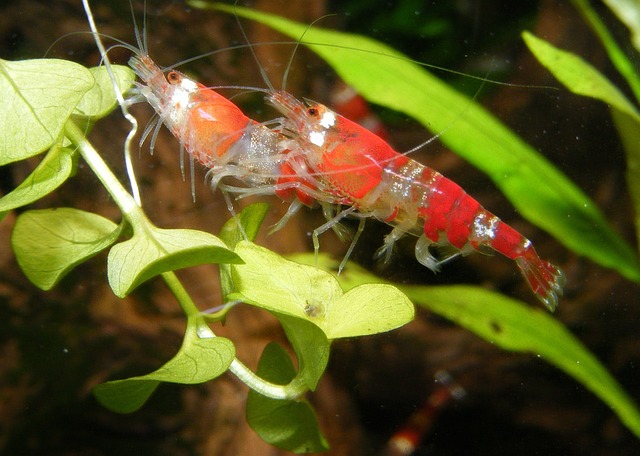
Why Does pH Drift in a Shrimp Tank?
Substrate, carbonate buffering, organic material, and source water can all influence pH over time.
Read the guide The Neocaridina Journal
About the journal
Freshwater shrimp · Field notes
Practical guides for Neocaridina keepers. Learn the water, build a steady home, and give a small colony room to thrive.
The journal
40 published guides
Showing 13–24 of 40 guides
Substrate, carbonate buffering, organic material, and source water can all influence pH over time.
Read the guide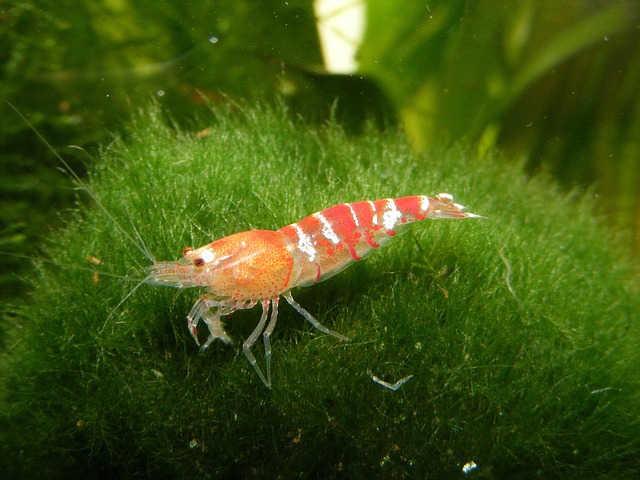
General hardness measures dissolved calcium and magnesium, but a test does not explain every mineral.
Read the guide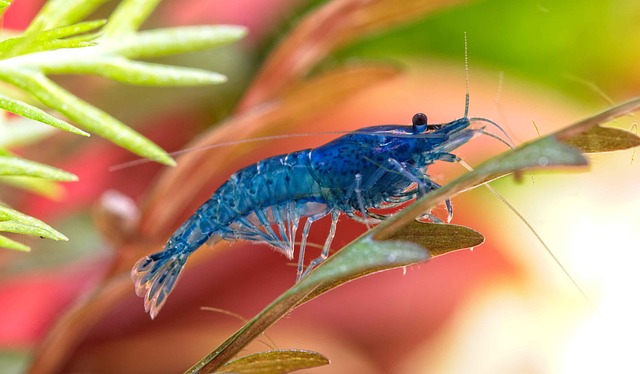
Plan for room heat before the aquarium warms, and monitor temperature through the day.
Read the guide
Room heating, cold windows, and outages can create temperature swings even in indoor aquariums.
Read the guide
A dedicated container helps you condition, measure, and temperature-match replacement water.
Read the guideLarge aquariums can have localized temperature differences around heaters, windows, or returns.
Read the guide
A new livestock load can reveal a filter that was not fully mature or a source of decaying waste.
Read the guideHard water is not one number; measure GH, KH, pH, and the shrimp's source conditions.
Read the guideA practical guide to choosing a liquid test kit for a shrimp tank for a shrimp-focused aquarium.
Read the guide
A practical guide to checking a color test against its reference for a shrimp-focused aquarium.
Read the guideA practical guide to reading aquarium test colors in neutral light for a shrimp-focused aquarium.
Read the guide
A practical guide to when a reagent bottle has been left in heat for a shrimp-focused aquarium.
Read the guide