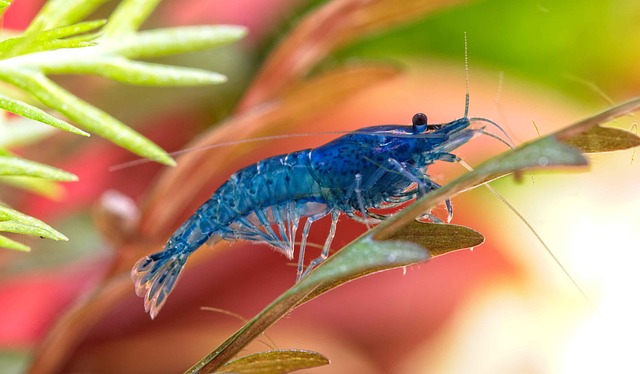
Why Unknown Decorative Coatings Do Not Belong in a Shrimp Tank
A decorative finish can hide material details that matter in an aquarium, especially when the object was not designed for aquatic use.
Read the guide The Neocaridina Journal
About the journal
Freshwater shrimp · Field notes
Practical guides for Neocaridina keepers. Learn the water, build a steady home, and give a small colony room to thrive.
The journal
49 published guides
Showing 37–48 of 49 guides
A decorative finish can hide material details that matter in an aquarium, especially when the object was not designed for aquatic use.
Read the guide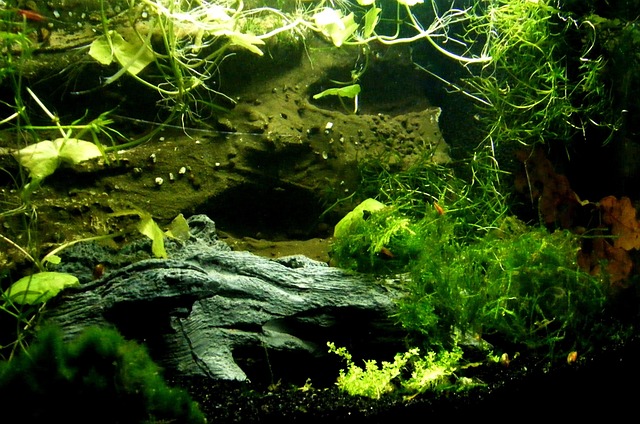
Hardscape should leave room to reach the glass, siphon accessible areas, and remove plant waste without dismantling the tank.
Read the guidePlants and hardscape can create shelter while leaving visible grazing areas and room to observe the colony.
Read the guide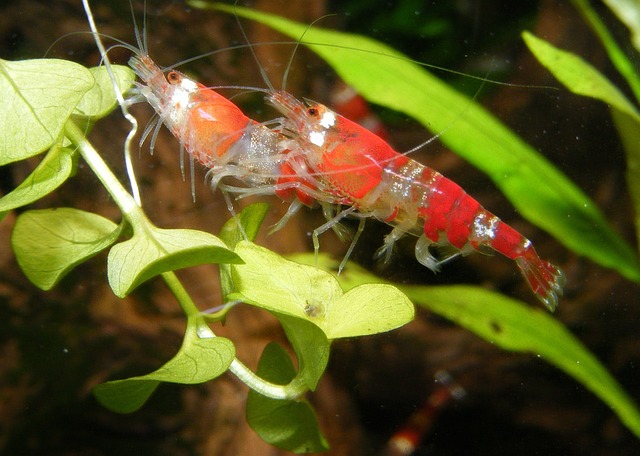
Terracotta can be used as aquarium decor only when the item is unglazed, clean, and intended or verified for aquatic use.
Read the guideSmall tubes can provide shelter, but material, diameter, finish, and cleanability should all be considered.
Read the guideA new layer of sand or gravel can shift during planting and maintenance, exposing material below it.
Read the guideNarrow gaps behind rocks can collect waste and make it hard to inspect or clean the aquarium.
Read the guideA hide can become difficult to maintain if it has sharp cracks or small enclosed pockets.
Read the guide
Bamboo shrimp have specialized feeding behavior, so a shared tank requires more planning than simply matching water conditions.
Read the guideVampire shrimp grow much larger than dwarf shrimp and have different shelter and feeding needs; compatibility requires a species-specific plan.
Read the guide
Sulawesi shrimp are kept under distinct water conditions in specialist aquariums, so a shared setup should not be assumed compatible.
Read the guideThe number and size of shrimp you buy should fit the aquarium's maturity, filter, and maintenance capacity.
Read the guide