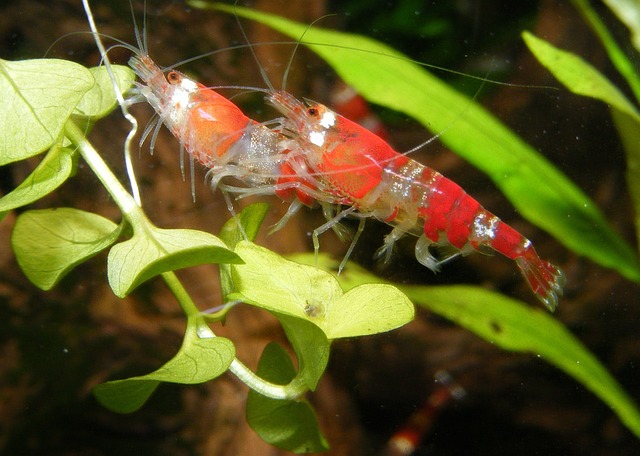
How to Estimate a Shrimp Colony Without a False Count
Plants and hardscape hide shrimp, so a careful range is more honest than a precise visual census.
Read the guide The Neocaridina Journal
About the journal
Freshwater shrimp · Field notes
Practical guides for Neocaridina keepers. Learn the water, build a steady home, and give a small colony room to thrive.
The journal
145 published guides
Showing 85–96 of 145 guides
Plants and hardscape hide shrimp, so a careful range is more honest than a precise visual census.
Read the guide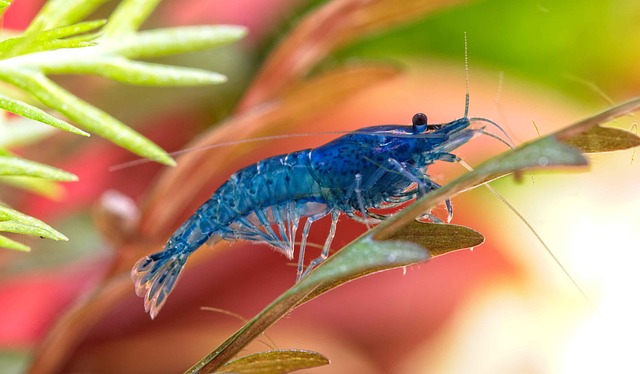
A breeding colony can grow beyond its planned size, so decide on safe destinations before that happens.
Read the guideA repeatable observation window helps distinguish daily variation from a real change.
Read the guide
A colony may be easier to observe at different times, but light conditions also change how visible it is.
Read the guideA short, steady clip with context can help another keeper understand what you observed.
Read the guide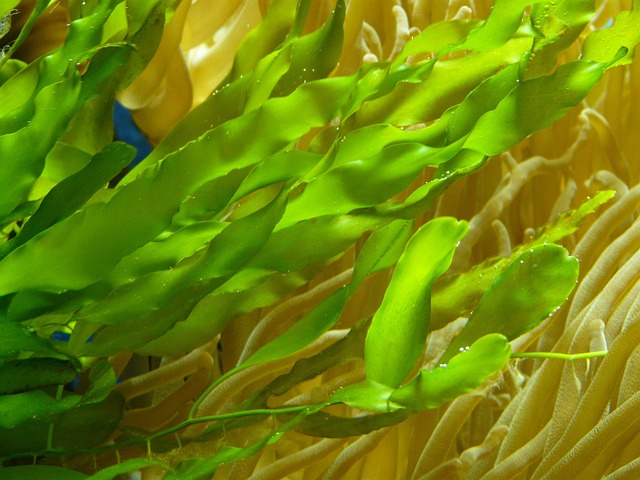
Uneaten food can settle between substrate pieces and become difficult to see.
Read the guideA dish can make leftovers easier to see, but it needs cleaning that keeps soap and residue out of the aquarium.
Read the guide
Hardscape adds stable surfaces and cover, but materials should be checked before entering the tank.
Read the guide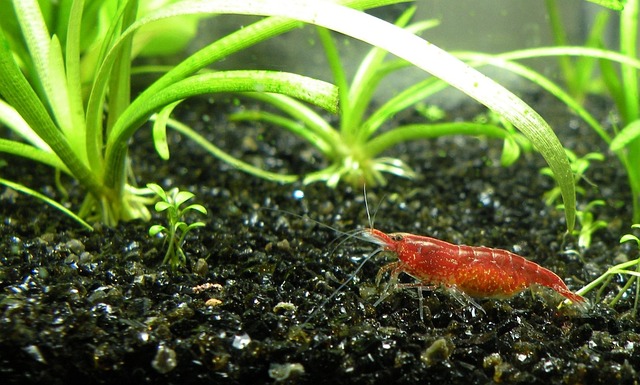
A dark or light background changes contrast in a photograph, so the same shrimp can appear different across pictures.
Read the guideOpen patches of substrate are easier to inspect and can be cleaned selectively during routine care.
Read the guide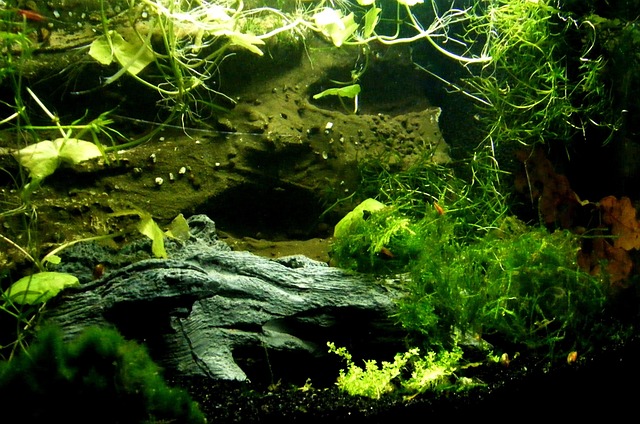
A filter clean or plant trim can shift nearby stones and wood, so include a quick stability check in the cleanup.
Read the guideAmano shrimp and Neocaridina have different adult sizes and breeding patterns, so decide what the mixed tank is meant to support.
Read the guide