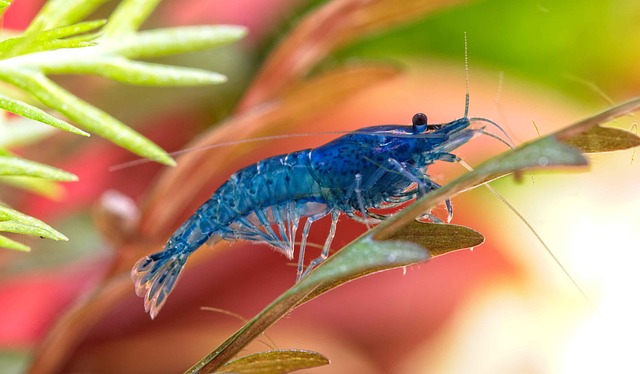
Observing a New Shrimp Colony After Introduction
A new colony may hide while adjusting, so use calm observation and water checks instead of constant disturbance.
Read the guide The Neocaridina Journal
About the journal
Freshwater shrimp · Field notes
Practical guides for Neocaridina keepers. Learn the water, build a steady home, and give a small colony room to thrive.
The journal
145 published guides
Showing 133–144 of 145 guides
A new colony may hide while adjusting, so use calm observation and water checks instead of constant disturbance.
Read the guideShrimp may pick at surfaces near filter flow where fine material collects, but one location does not identify a water problem.
Read the guide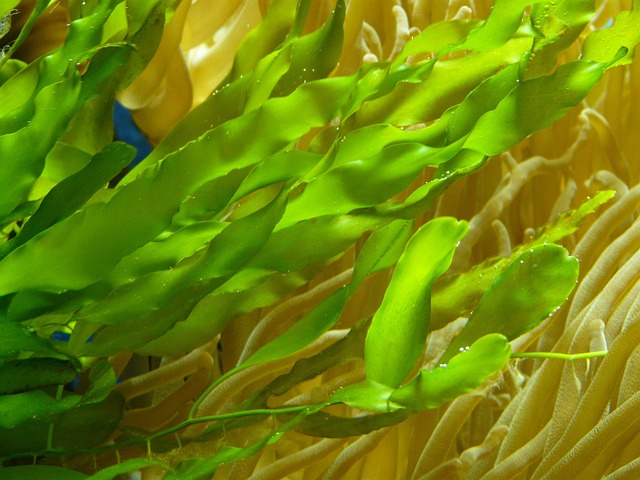
A shrimp resting briefly may simply be paused, while a persistent change across many animals deserves a closer look.
Read the guide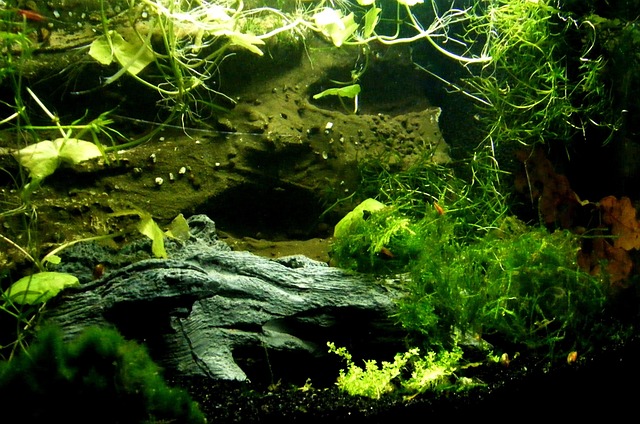
Shrimp climbing plant stems can be normal exploration; the broader tank conditions help interpret a sudden group change.
Read the guide
Some shrimp are easier to see during quiet periods, but changing lighting repeatedly can disturb the aquarium routine.
Read the guideA trim can temporarily change cover and release fragments, so check the aquarium before interpreting a short-term behavior shift.
Read the guide
Routine cleaning can alter flow or move surfaces, so give shrimp time to settle and verify equipment is working normally.
Read the guide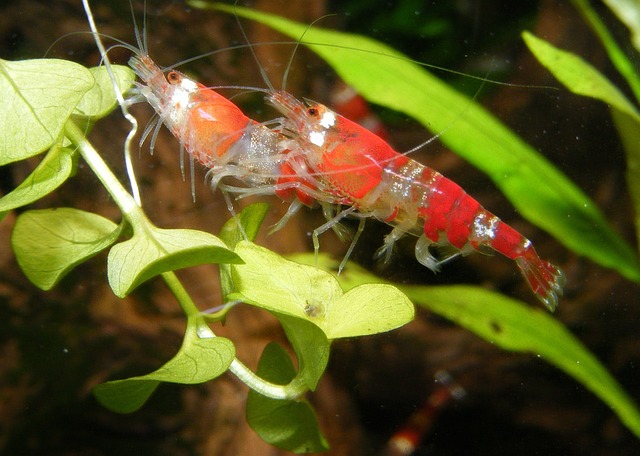
Grazing across leaves, wood, and glass is a normal visible behavior, but one surface does not measure the colony's full diet.
Read the guideRepeated photos can document visible changes in colony size or color when they use the same angle and conditions.
Read the guideNew decor changes available surfaces and cover; observe how shrimp use it before rearranging the aquarium again.
Read the guideA feeding area is easier to manage when it is visible and reachable without stirring the substrate.
Read the guideAfter a water change, note how shrimp move and compare readings rather than interpreting one brief pause as a diagnosis.
Read the guide