
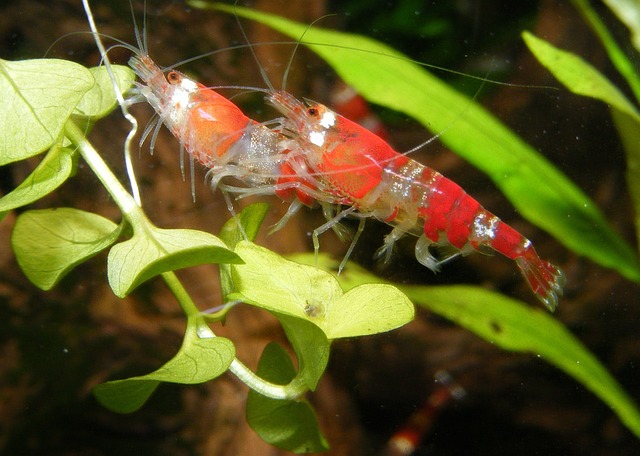
Tiny movements do useful work
A shrimp’s front appendages pass fine particles toward the mouth. When grazing, this can look like constant hand-to-mouth motion rather than a large bite.
The movement is easiest to see on a clear surface or in a close photograph. Avoid tapping glass or shining a bright light to force the shrimp into view.
Compare with familiar behavior
Notice whether the shrimp is moving across surfaces and staying upright. A normally active animal handling food is different from one that cannot coordinate or repeatedly falls over.
Do not identify a disease from one motion. Record what changed and whether water, equipment, or maintenance changed near the same time.
Let observation guide action
If the shrimp is feeding normally, no special intervention is needed. Keep the tank stable and offer an appropriate diet in a modest amount.
If coordination problems appear across several animals, check water quality and seek informed advice. The details of the setup matter more than an isolated close-up.
- Aquarium Co-Op · Care Guide for Cherry Shrimp
- Aquarium Co-Op · 5 Best Foods for Freshwater Aquarium Shrimp
Use these as general hobby references. Test your aquarium and confirm product guidance before making changes.