
Match substrate to the water plan
Inert gravel or sand is often chosen when the goal is to preserve the source water's existing chemistry. Active soils are designed to alter conditions for some planted or soft-water setups; their effect and lifespan depend on the product.
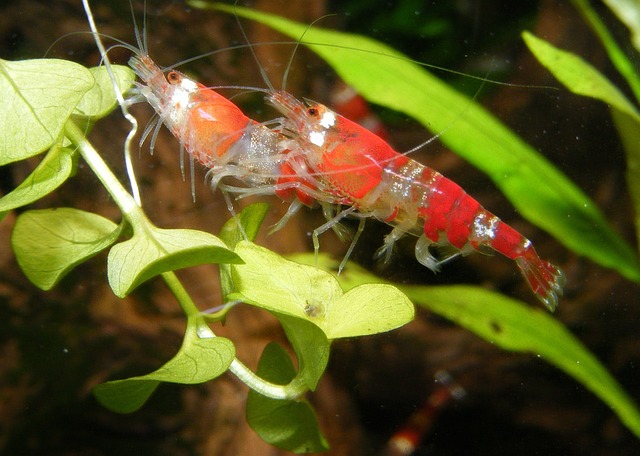
Neocaridina lines are commonly kept across a range of conditions, so many keepers choose a substrate that avoids unnecessary swings. Read the manufacturer's guidance before filling the tank.
Rinse, test, and observe
Rinse inert material until the water is mostly clear, unless the product label says not to. After filling, test pH and hardness over several days before adding shrimp.
Do not add chemical buffers to compensate for a substrate without understanding the interaction. If your source water already suits the shrimp, a simple inert base is often easier to manage.
For your own tank
Keep a small sample of the source water and record its pH and hardness before adding substrate. Retest the aquarium after setup, then again once it has run for a while. That comparison helps reveal whether the substrate is changing conditions beyond what you intended.
Use these as general hobby references. Test your aquarium and confirm product guidance before making changes.