
Check the context first
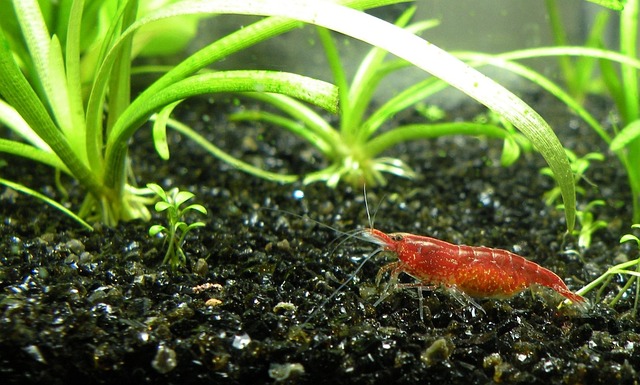
Shrimp may appear different under new lighting, against a different background, or shortly after a move. Young animals can also develop color as they grow, and selective lines vary in coverage.
Look at activity, feeding, molting, and recent changes. One pale shrimp behaving normally is different from a colony that suddenly loses color and becomes inactive.
Use evidence before treatment
Test temperature, ammonia, nitrite, and relevant hardness. Review recent water changes, new plants, cleaners, and medications that could have entered the aquarium.
Do not add color-enhancing products or medicine as a first response. Correct an identified husbandry problem gradually and observe whether the pattern improves.
For your own tank
Compare the same shrimp under the same light and background before deciding that color changed. Note whether it recently molted, moved, or encountered a new tank mate. A color difference affecting many shrimp deserves water tests and a review of recent products.
Use these as general hobby references. Test your aquarium and confirm product guidance before making changes.