
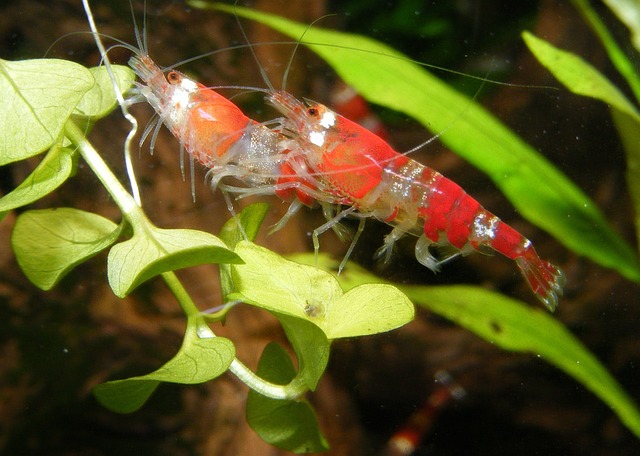
Why a fixed ratio falls short
A gallon count does not describe how much grazing surface, filtration, or stable water an aquarium provides. Two tanks with the same volume can behave differently if one is mature and planted while the other is new and bare.
Shrimp also reproduce. A group that looks small on day one can become a larger colony as young survive, so plan for future growth rather than treating an initial count as a permanent limit.
Start with a manageable group
For a breeding colony, Aquarium Co-Op suggests starting with at least ten shrimp to improve the chance of having both males and females. That is a starting group, not a universal density rule or a guarantee of breeding.
A larger, mature aquarium is often easier to keep stable than a tiny one. The care guide recommends ten gallons or more for a healthy breeding colony, while noting shrimp can live in smaller tanks. Beginners should choose the largest practical footprint.
Let the tank tell you when it is full
Watch ammonia, nitrite, water clarity, and how quickly food disappears. Remove excess food, keep routine maintenance, and make sure the colony still has grazing surfaces and shelter.
If population growth outpaces the tank, consider rehoming shrimp or moving part of the colony. Avoid adding fish just to control numbers: many fish will eat shrimplets and change the goal from a breeding colony to a mixed display.
Use these as general hobby references. Test your aquarium and confirm product guidance before making changes.