
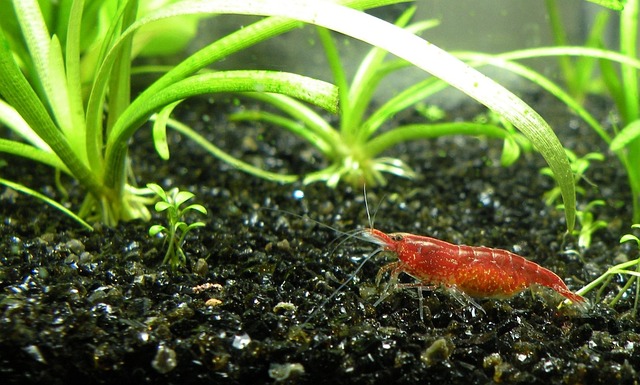
Understand selective lines
Many named color forms are maintained through selective breeding. When different lines interbreed, their offspring may show varied colors or patterns rather than matching either parent.
The results are not a guaranteed sequence. Genetics, line history, and selection all affect what appears in later generations.
Choose the goal first
For a display, a mixed colony can be enjoyable and easier to keep than multiple separate tanks. For a consistent line, house varieties separately and track which animals reproduce.
Do not assume that a color label tells you the exact genetic outcome. Treat breeder descriptions as line-specific guidance, not a promise about every shrimplet.
For your own tank
Decide whether your goal is a colorful display or a predictable breeding line before buying several varieties. A mixed tank can be rewarding even when future colors become less uniform. Keep notes if you want to see how a particular colony changes over generations.
Use these as general hobby references. Test your aquarium and confirm product guidance before making changes.