
What each layout changes
A bare-bottom tank makes leftover food and debris easy to spot, which can help with observation or temporary holding. It provides fewer natural surfaces unless you add moss, wood, or other safe hardscape.
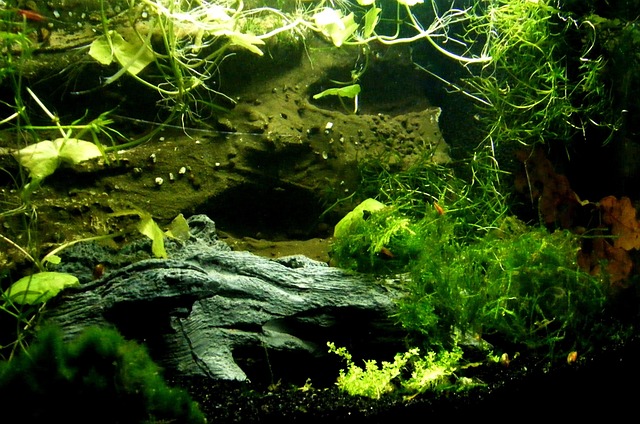
A planted tank creates cover and places for biofilm to grow, but trimming and cleaning take more care. Dense plants may hide dead shrimp or uneaten food if the layout becomes difficult to inspect.
Build a practical middle ground
You can leave a small open area for feeding and keep the rest planted with moss and hardscape. This keeps the aquarium useful for grazing while preserving a clear view of the colony.
Choose the layout you can maintain consistently. Avoid routinely tearing down a mature shrimp tank just to make it look newly cleaned.
For your own tank
A hybrid layout can keep a feeding zone visible while preserving planted cover at the back and sides. Check that the open area does not become the only place shrimp can hide. A usable aquascape balances observation, grazing, and access for maintenance.
Use these as general hobby references. Test your aquarium and confirm product guidance before making changes.