
Separate adult safety from baby safety
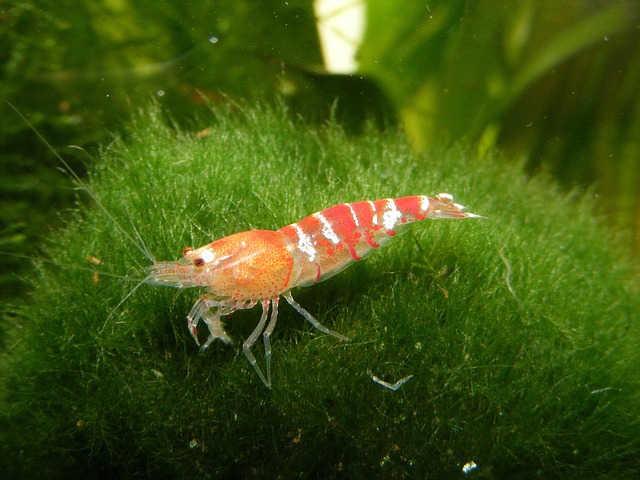
Many fish opportunistically eat tiny animals that fit in their mouths. Adult Neocaridina may be too large or quick to interest some fish, while newly hatched juveniles remain vulnerable.
Do not rely on a fish's reputation alone. Individual behavior, hunger, tank layout, and available cover all affect what happens.
Decide what outcome matters
If you want to raise as many shrimp as possible, keep a dedicated colony tank. If the goal is a mixed display, accept that juvenile survival may be lower and provide dense plants and moss.
Observe after introductions and be ready to separate animals if predation or stress is evident. A safe setup is measured by the colony's actual outcome, not by a compatibility list.
For your own tank
A fish may learn to patrol moss or wait near feeding spots even if it never attacks an adult shrimp. If young disappear, predation is one possible factor, not proof of a single culprit. Keep a separate grow-out option if breeding success matters.
Use these as general hobby references. Test your aquarium and confirm product guidance before making changes.