
What cycling actually builds
An aquarium cycle grows microorganisms that help process waste. In a simplified version, ammonia is converted to nitrite and then nitrate. Ammonia and nitrite can harm aquatic animals, so a new aquarium needs time to develop biological filtration before shrimp are introduced.
Those microorganisms live on filter media and other aquarium surfaces. A mature sponge filter from a healthy tank may help seed a new setup, but it is not an instant guarantee. Keep the filter running and avoid washing biological media in untreated tap water.
Use tests, not the calendar
Test ammonia and nitrite with an aquarium kit. A common readiness check is 0 ppm ammonia and 0 ppm nitrite after the system has processed a waste source. Nitrate can appear as the cycle develops, but plants and water changes affect the reading.
A cycle can take weeks and varies with the setup. Cloudy water clearing, a filter running for a fixed number of days, or adding a bottled product does not by itself confirm that the tank can handle waste.
Give the colony a mature landing place
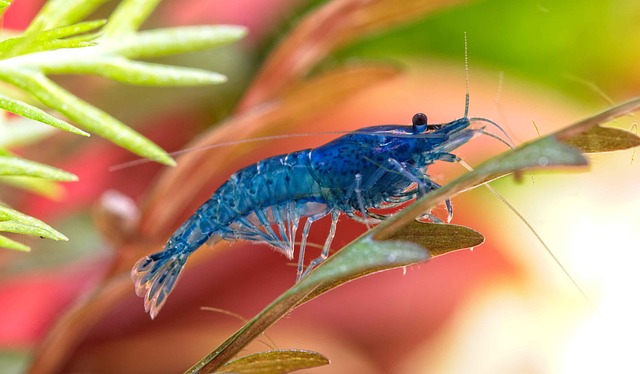
After test results are stable, introduce shrimp gradually and keep feeding light while the new biological load settles. Watch for ammonia or nitrite after the addition, especially in a small aquarium.
Add plants, moss, and gentle surfaces early so biofilm has time to develop. The goal is not a sterile display tank; shrimp constantly graze on the small living layer that grows across a mature aquarium.
- Aquarium Co-Op · The Beginner's Guide to the Nitrogen Cycle
- Aquarium Co-Op · Care Guide for Cherry Shrimp
Use these as general hobby references. Test your aquarium and confirm product guidance before making changes.