
Set the colony up for success
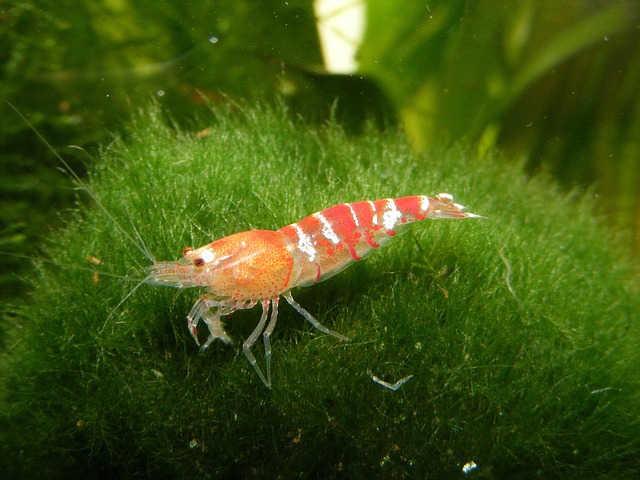
Neocaridina are live-in-the-aquarium breeders: females carry eggs under the abdomen until they hatch into tiny versions of the adults. A stable tank with plants, moss, and biofilm helps both adults and young find food and cover.
A sponge filter or protected intake reduces the chance of babies being pulled into filtration. If the goal is a growing colony, avoid fish that may eat shrimplets, even when adult shrimp seem safe.
Keep conditions steady
Provide a varied, modest diet and remove leftovers. Aquarium Co-Op describes females carrying roughly 20–30 eggs and holding them for about a month, with timing depending on temperature. Treat that as a general observation, not a fixed schedule.
After hatching, young shrimp graze on fine surfaces and biofilm. A tank that has been running for a while usually offers more natural grazing than a freshly scrubbed display.
Grow one color line at a time
If color is important, keep different Neocaridina color varieties in separate tanks. They can interbreed, and offspring may not keep parent colors consistently. Aquarium Co-Op notes that varieties should not all be kept together when preserving a line matters.
Do not chase breeding with sudden heat increases or heavy feeding. Population growth follows food, water quality, and available space. Make changes based on the colony's condition, not a promised breeding calendar.
Use these as general hobby references. Test your aquarium and confirm product guidance before making changes.